Understanding Pet Anxiety: Helping Dogs and Cats Feel Calm and Secure
By Scout & Company Companion Pet Care
Scout is a confident, affectionate dog, but she's also an anxious one. Storms, fireworks, and sudden loud noises make her pace, hide, or press against me for comfort. She doesn't like being approached or touched by strangers and feels safest when she's allowed to come to people on her own terms. Her anxiety wasn't always this strong, but it has become more noticeable as she's gotten older, which is common in senior dogs.
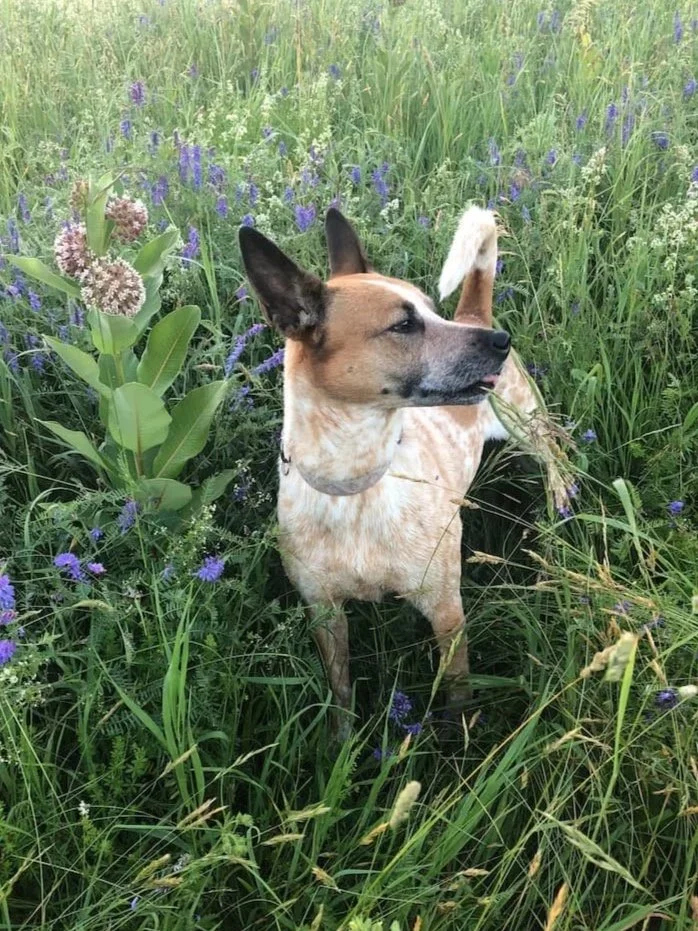
Scout in a moment of calm confidence — her happy place.
Images © 2025 Scout & Company Companion Pet Care. Please do not reuse without permission.
Living with Scout has taught me that anxiety isn't a behavioral flaw. Pets communicate discomfort in the only ways they know how. Even well-loved, well-cared-for animals can develop anxiety, and the signs often appear gradually or in subtle ways we might overlook at first.
Veterinary organizations such as the American Veterinary Medical Association (AVMA) and Fear Free Pets note that dogs and cats often show increased stress during times filled with noise, visitors, travel, and changes in routine. With the holidays and winter months approaching, this is an ideal moment to learn what anxiety looks like and how to help our pets feel safer and more secure.
What Pet Anxiety Can Look Like
Pets experience anxiety for many reasons: changes in routine, loud noises, unfamiliar people, separation, medical conditions, or age-related cognitive shifts. Common signs include pacing or restlessness, hiding or withdrawing, trembling or shaking, excessive vocalizing, clingy behavior, loss of appetite, destructive behavior, sudden aggression or irritability, and changes in litter box or potty habits.
These behaviors often seem small on their own but add up to a larger picture of stress. Understanding these signals is the first step to helping pets feel more settled.
Types of Pet Anxiety
Noise and storm anxiety is one of the most recognizable forms. Thunder, fireworks, construction, or sudden loud sounds can trigger intense fear. Pets may hide, shake, pant heavily, or try to escape. Storm anxiety often worsens with age, especially in dogs.
Separation anxiety is one of the most common behavioral challenges seen in both dogs and cats. Some pets become distressed when left alone and may pace, cry, bark, or engage in destructive behavior.
Change-based anxiety can show up during moves, new additions to the household, visitors, or shifting routines. Even small changes, like rearranging furniture, can affect more sensitive pets.
Social anxiety is common in pets who are nervous around unfamiliar people or animals. They may prefer to approach on their own terms or avoid direct contact until they feel comfortable.
Simple Ways to Help Your Pet Feel More Secure
Keeping a predictable routine is one of the most effective things you can do. Pets thrive on consistency, and a steady schedule for meals, walks, and quiet time provides structure that reduces stress.
Safe spaces matter too. Offering quiet hiding spots or comfortable resting areas where your pet can retreat when overwhelmed gives them a sense of control. For cats, vertical spaces like cat trees or shelves can be especially helpful.
Mental enrichment is often overlooked as an anxiety tool, but puzzle feeders, scent games, and interactive toys can redirect anxious energy and build confidence over time.
For noise-sensitive pets, white noise machines, calming music, and closing curtains during storms can help reduce overwhelming sensory input. For dogs, a ThunderShirt or snug wrap can offer real comfort. Scout uses one during storms, and it makes a noticeable difference.
Pheromone diffusers are another option worth knowing about. Adaptil for dogs mimics the calming pheromone released by nursing mothers, while Feliway for cats recreates the facial pheromone cats leave when marking safe, familiar spaces. Research shows these products can help reduce mild stress and support smoother transitions for some pets, though results vary. They work best as part of a broader anxiety-management plan rather than a stand-alone solution.
For noise-sensitive pets, gradual desensitization can also help. Playing recorded storm or fireworks sounds at a very low volume and pairing that exposure with treats, play, or comfort can slowly build tolerance over time.
Finally, your own energy matters more than you might think. Speaking softly, moving slowly, and keeping the environment calm can make a meaningful difference for anxious animals.
When to Seek Additional Help
If your pet's anxiety seems severe, sudden, or disruptive to daily life, it's worth consulting your veterinarian. Medical issues can sometimes mimic anxiety, and some pets benefit from professional behavior support or short-term medication during stressful periods. A veterinary professional can help tailor a plan that fits your pet's specific needs.
A Note from Scout & Company
Supporting anxious pets is a meaningful part of my work, and much of what I know comes directly from caring for Scout. Living with an anxious dog taught me how to notice small signals, adjust the environment, and build the kind of steady routine that helps her feel safe.
I bring that same approach to every pet in my care: calm visits, predictable routines, and a low-pressure environment where they can settle at their own pace. I also maintain continuing education through Red Cross Pet First Aid and CPR, Pet Sitters International, and Fear Free Pets, which helps me better support pets who benefit from patience, consistency, and a reassuring presence.
If your pet struggles with anxiety, I hope some of these ideas help make things a little easier for both of you.